
In This Article
The Absence That Gets Recorded, and the Reason That Doesn't
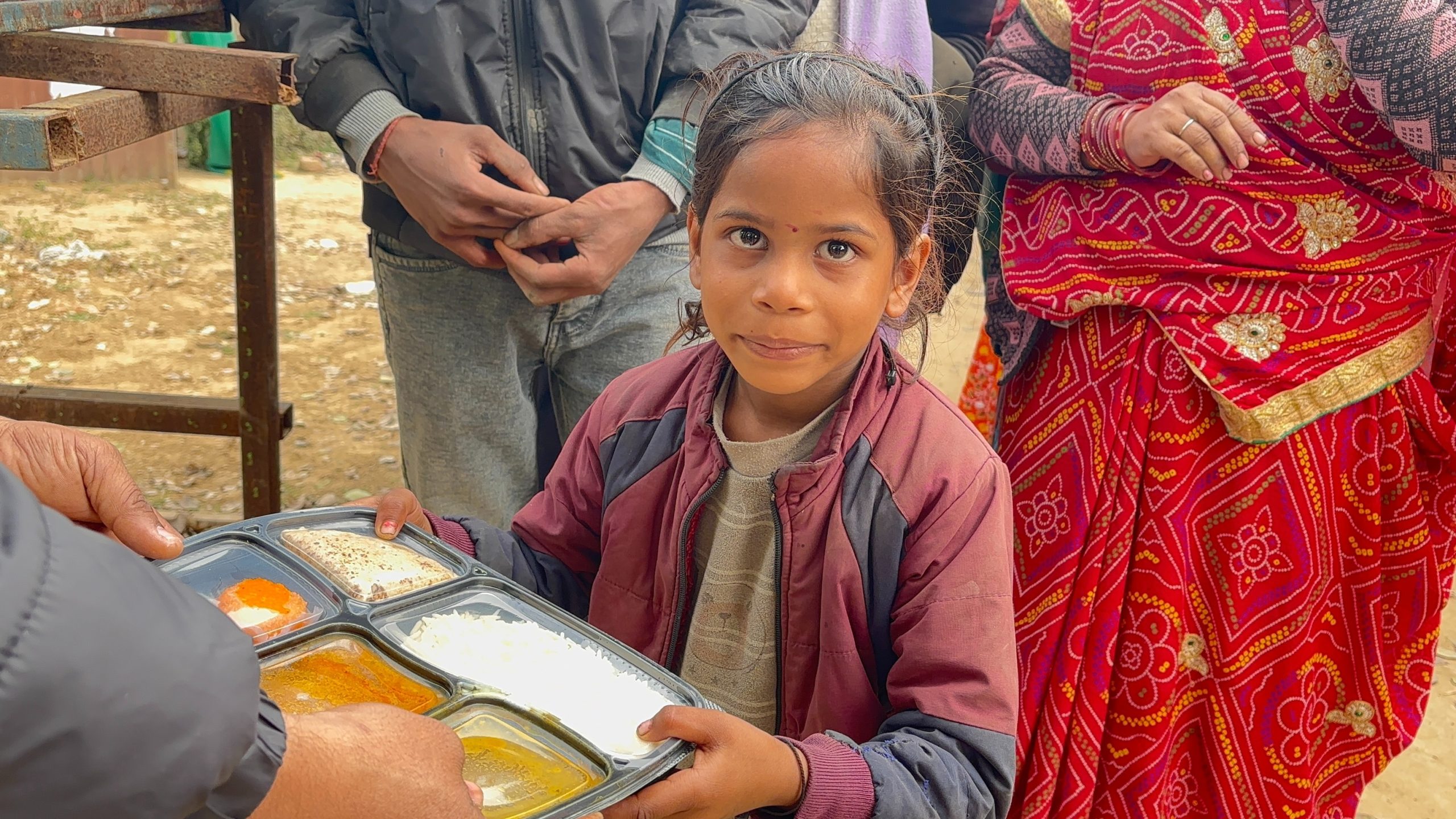
She's marked absent. The register moves on. Nobody asks why a 12-year-old stopped coming to school three weeks ago. But if you did ask, the answer wouldn't be disinterest or distance. It would be something far simpler and far harder to fix: her mother got sick, there was no food in the house, and someone had to stay back and cook for the younger ones.
This is one of the most common and least discussed reasons girls drop out of school in low-income communities across India. It sits at the exact intersection of food insecurity, gender roles, and child welfare. And it rarely makes it into the conversation about education access.
Hunger Changes Who Goes to School
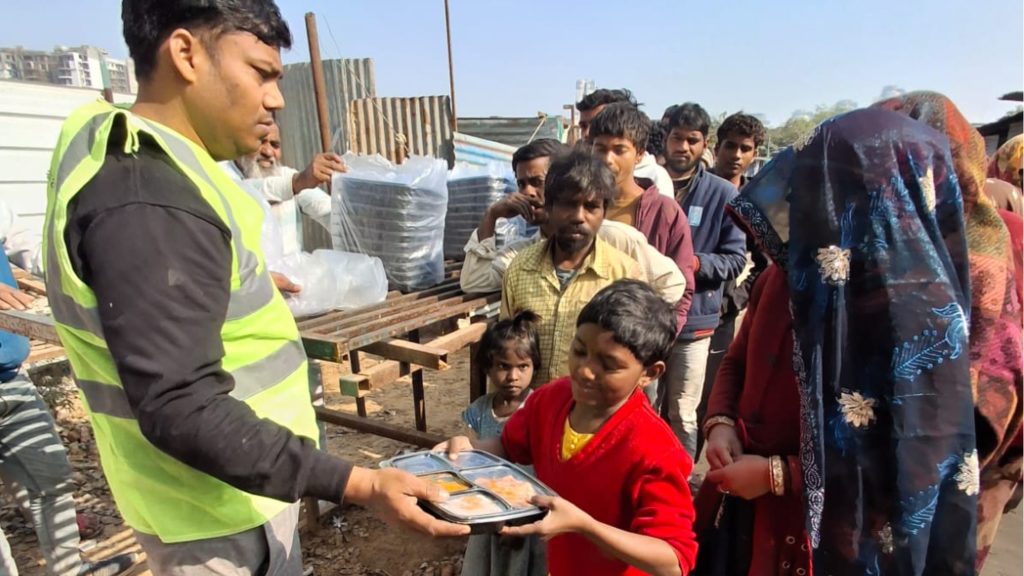
When a family is food insecure, decisions get made fast and they follow a predictable logic. Boys go to school because their future earning potential is seen as non-negotiable. Girls stay back because someone has to hold the household together, and that role defaults to them almost automatically.
It isn't always a conscious choice. It isn't always a cruel one either. It is the outcome of a system where hunger forces impossible trade-offs, and girls consistently end up on the losing side of those trade-offs.
A girl who misses two weeks of school to manage the household rarely comes back. The gap becomes a chasm, and the chasm becomes a decision.
What This Actually Looks Like on the Ground
It shows up in patterns that community workers recognise immediately. Girls in the 10 to 14 age group are the most vulnerable. It happens more frequently when a mother is unwell, when a male earning member loses work, or when there's a new infant in the household. It spikes during summer when school meals are unavailable and food costs rise.
The triggers are mundane. The consequences are not. A girl who drops out at 12 to cook is statistically far more likely to be married young, far less likely to have income of her own, and far more likely to raise children who face the same choices.
Why Feeding Families Is Also Educating Girls
This is why food programmes and education cannot be treated as separate interventions. When a family has consistent access to food, the calculus changes. The desperate reassignment of roles eases. The girl goes back to school.
It is not a coincidence that communities with access to regular ration support show better female school attendance. The connection is direct, even if it doesn't always get named. Feeding a family is not just a hunger intervention. In many cases, it is a gender equity intervention too.