
In This Article
What Ground-Level Workers Learn from the Communities They Serve
The Education Nobody Puts in a Report
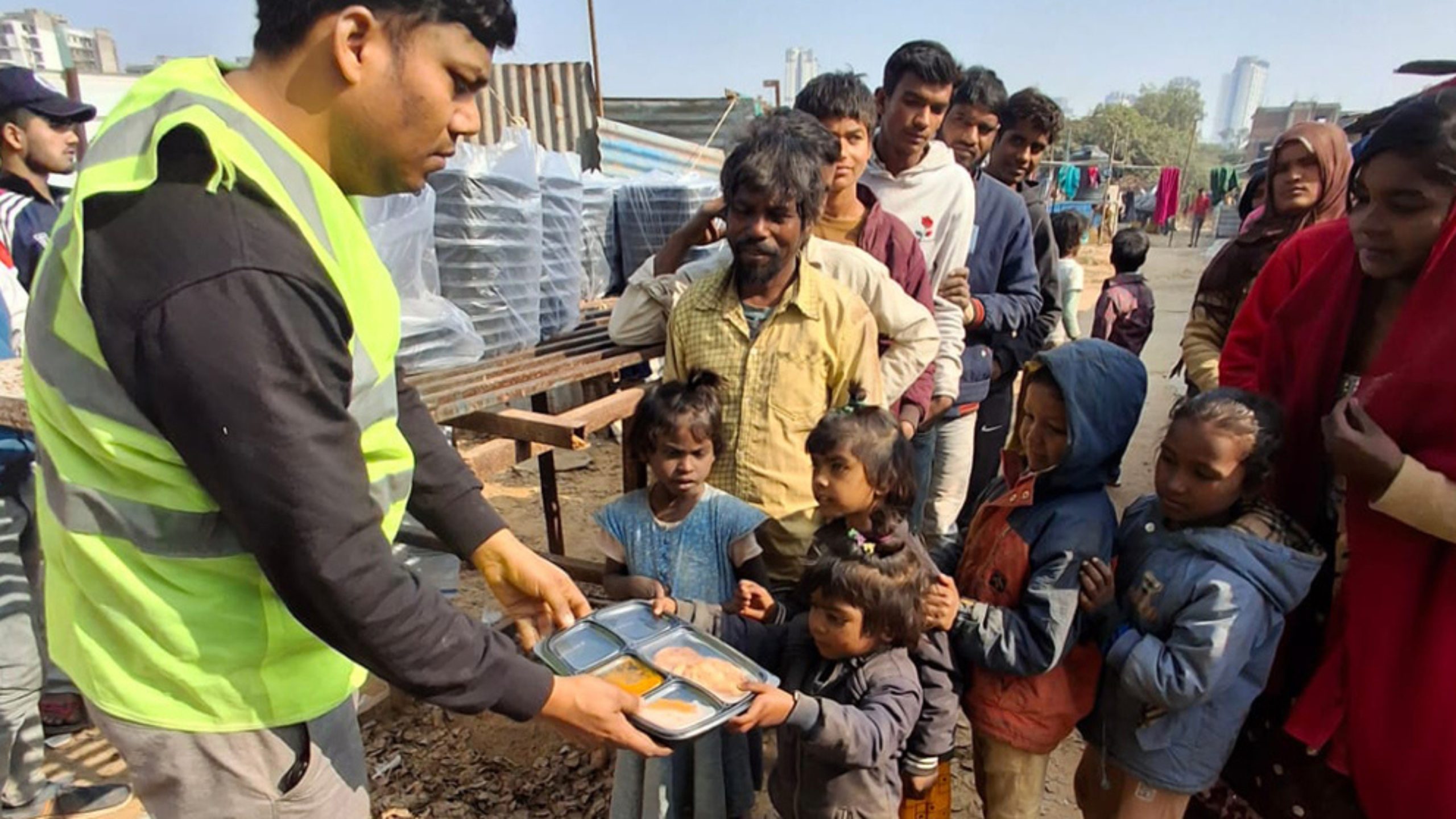
Every NGO publishes impact numbers. Meals served. Children enrolled. Families reached. These numbers matter, and they are honestly earned. But there is another kind of learning that happens in the field, one that never makes it into the annual report, because it doesn't fit neatly into a column.
It is what frontline workers and volunteers learn from the communities they serve. And it is, quietly, one of the most transformative parts of this work.
The Seven-Year-Old Who Understood Scarcity Better Than Any Economist
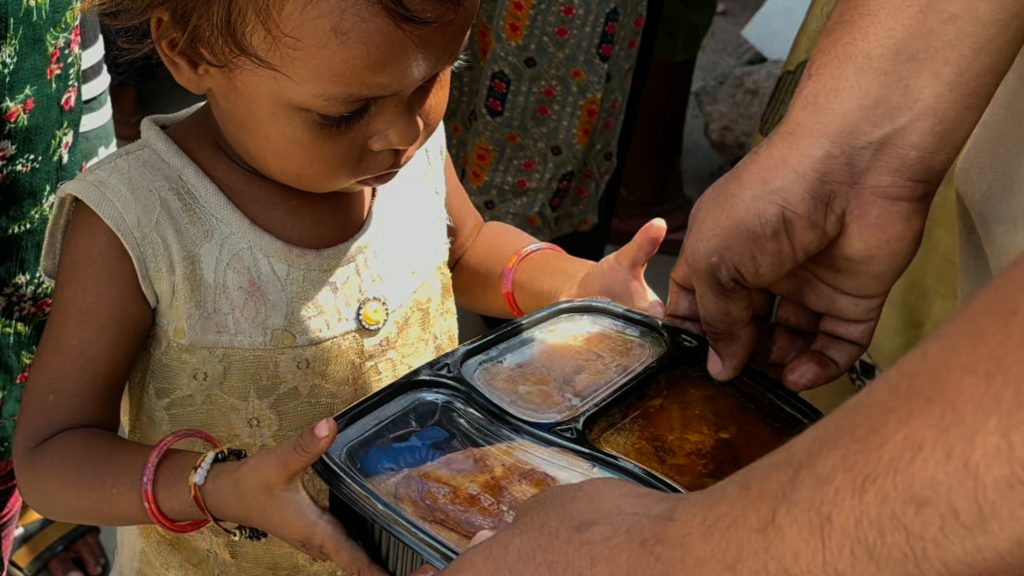
A volunteer running a nutrition programme at a community centre in Delhi once described watching a seven-year-old girl carefully divide a small packet of biscuits into exactly equal portions for four younger children before taking anything for herself. The volunteer had spent three years studying development economics. She said she had never understood resource allocation as clearly as she did watching that child for thirty seconds.
This is not an unusual story. People who work at the ground level collect these moments. A child who has never had consistent access to food understands the value of it in a way that reshapes how you think about every food programme you design afterwards.
What Resilience Actually Looks Like
The word resilience gets used a lot in the development sector, often from a distance. Frontline workers will tell you that actually being around it changes you.
They talk about families who maintain dignity and warmth in conditions that most people would find crushing. They talk about communities that build informal systems of mutual support with no external help and no formal recognition. They talk about elderly people who have lost almost everything but still find ways to contribute, to look after others, to show up.
You go in thinking you are there to give. You come back understanding how much you have received.
The Humility That Field Work Builds
There is a particular kind of humility that comes from sustained ground-level work. It is not the humility of feeling guilty or small. It is the humility of recognising that the people you are working with are not passive recipients of your efforts. They have knowledge, strategies, and capacities that you do not. The best community work happens when both sides acknowledge this.
The children especially have a way of cutting through pretence. They don't perform gratitude they don't feel. They don't engage with something they find boring just because an adult brought it. They respond to genuine presence, and they ignore everything else. That feedback loop, instant and unfiltered, makes ground-level workers better at their jobs faster than any training programme.
Why This Matters for How NGOs Work
Organisations that create space for frontline workers to share what they are learning, not just what they are doing, make better decisions. The insights that come from sustained community contact are irreplaceable. They correct assumptions made from a distance. They surface needs that surveys miss. They build the kind of trust that makes programmes actually work.
The communities Snehdhara serves have been teaching us since we began. We show up to give. We leave having received something harder to quantify but just as real.