
In This Article
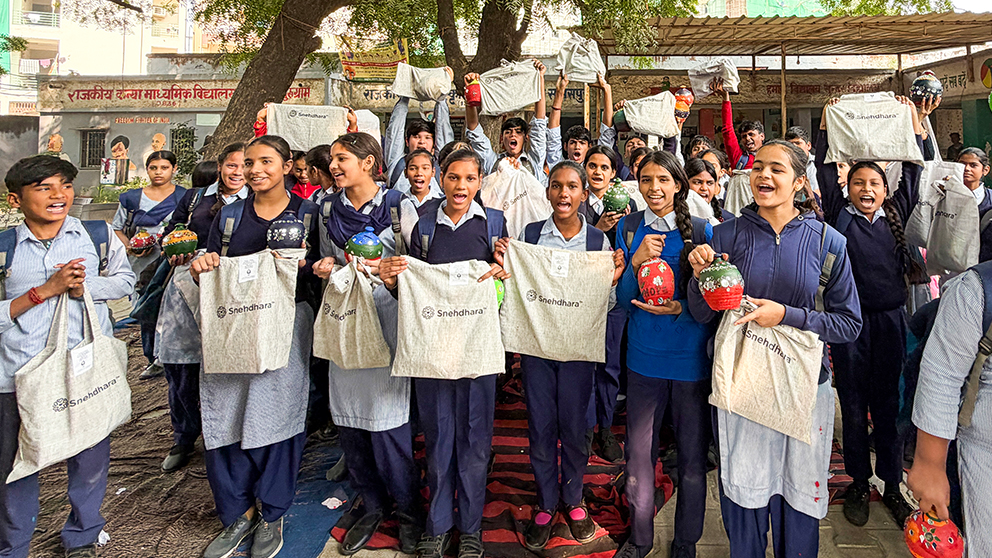
In the world of social work, some words get repeated so often that they begin to lose their meaning. “Empowerment” is one of them. It appears in reports, campaigns, and mission statements everywhere. But when you see the word closely, especially in the field, you realise something important: empowerment is not a slogan. It is a slow, respectful, human process. And it is the core of real change.
Beyond Helping: Understanding What Empowerment Really Means
Empowerment is not about giving people things.
It is about giving them choices, confidence, and opportunities.
A food drive helps someone for a day.
Teaching someone a skill may help them for a year.
Enabling someone to take decisions for themselves transforms their entire life.
This difference is at the heart of empowerment.
It is not charity.
It is not pity.
It is not temporary relief.
It is the belief that every person - regardless of where they were born or what they have survived - deserves control over their own future.
Why Empowerment Takes Time
Empowerment is slow because it deals with real people, real fears, and real histories. Many individuals living in vulnerable conditions are not just lacking resources. They are also fighting the weight of years of being unheard, ignored, or dismissed. Confidence doesn’t grow overnight. Trust doesn’t appear in a single interaction. Hope doesn’t return because someone handed it to them.
Empowerment grows through:
- consistent presence
- honest conversations
- skills that build independence
- support that strengthens dignity
It is deeply human work - and it requires patience.
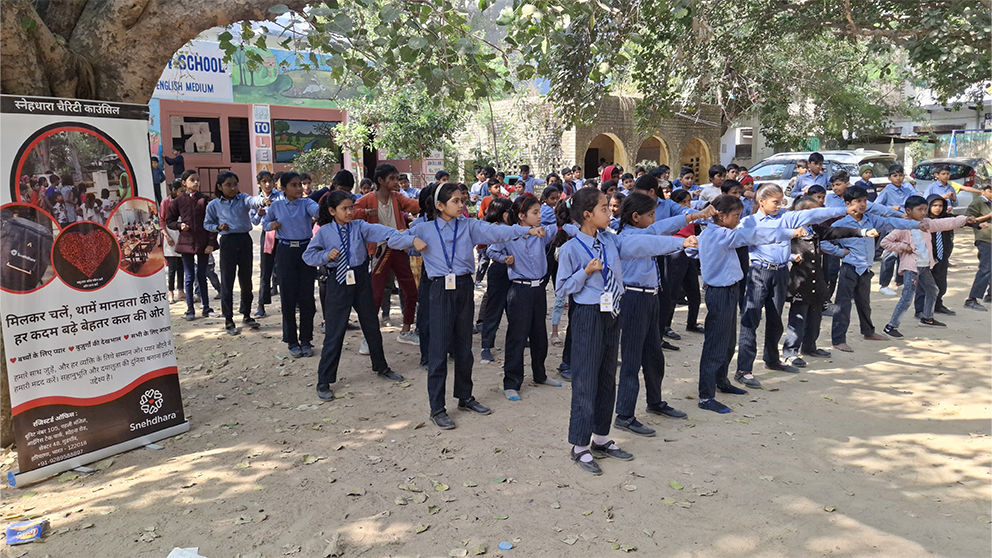
How Social Work Becomes Meaningful Through Empowerment
When individuals start believing in their own abilities, the impact multiplies. Families become stronger. Children become more confident. Communities become more aware and more united.
This is why empowerment is not a buzzword. It is the backbone of sustainable social change. It shifts the focus from “helping the poor” to partnering with people so they can build the life they want.
Empowerment reminds us that the goal is not to create dependency - the goal is to create possibility. And when that happens, change doesn’t just reach one person. It continues long after the volunteers have left, long after the drive has ended, long after the moment has passed.
That is the real power of empowerment. It lasts.