
In This Article
More Than Canvas and Zips
A school bag looks simple. Cloth, straps, a few pockets. Something most people don’t think twice about.
But in many homes, it represents a decision that is not easy to make.
In low-income communities, sending a child to school comes with trade-offs. Money spent on books means less for food. Time spent in class means one less helping hand at home. Over time, these trade-offs add up. School slowly becomes irregular, and then, for some children, it stops altogether.
This is how children fall out of the system. Not in one moment, but in small, unnoticed steps.
Where the Gap Starts Closing
Snehdhara works at this exact point where children begin to slip.
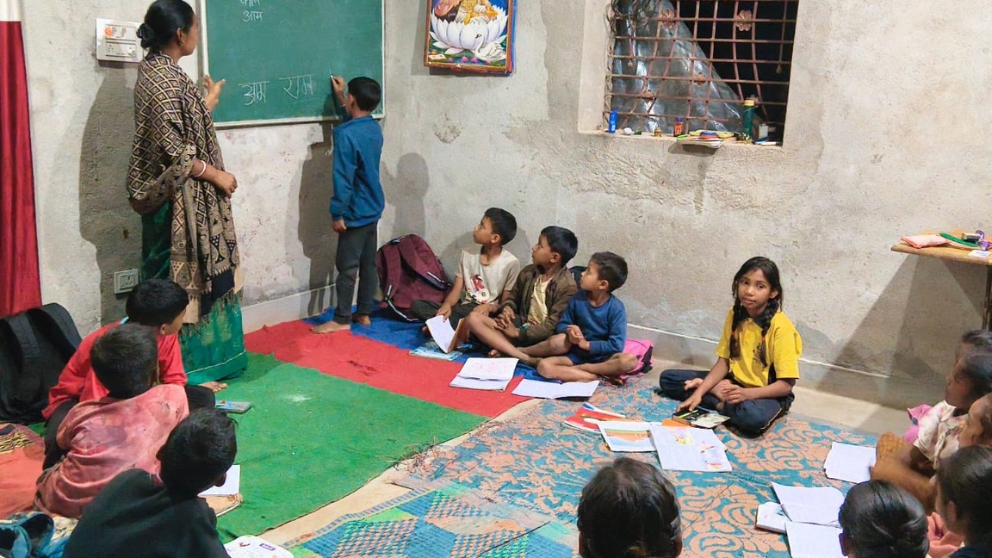
The focus is not just on education, but on everything around it. Learning materials are provided so children can keep up in class. Other support programs help reduce pressure at home, making it easier for families to continue sending their children to school. Volunteers stay connected with communities and notice when attendance drops.
Instead of reacting late, the effort is to intervene early.
How That Changes the Path
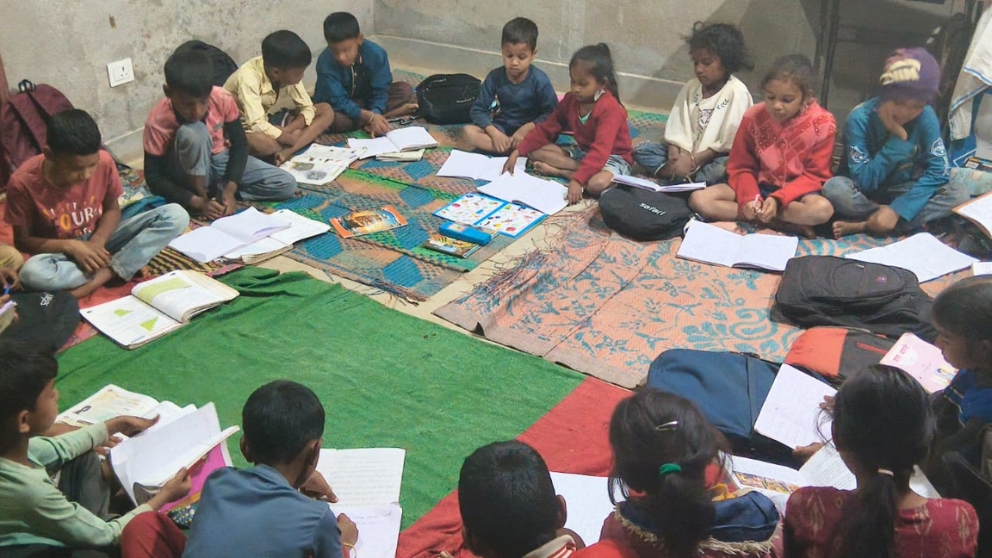
When these small barriers are reduced, continuity becomes possible.
A child who keeps attending school builds rhythm. They understand lessons better. They stay connected with their peers. They don’t have to restart again and again.
Over time, this consistency builds confidence. School stops feeling like a struggle and starts feeling like a routine.
The visible change may seem small. A child attending regularly. A bag carried every day.
But behind that is something bigger. Stability. Direction. A chance to move forward without interruption.
And sometimes, that steady continuation is what shapes a completely different future.