
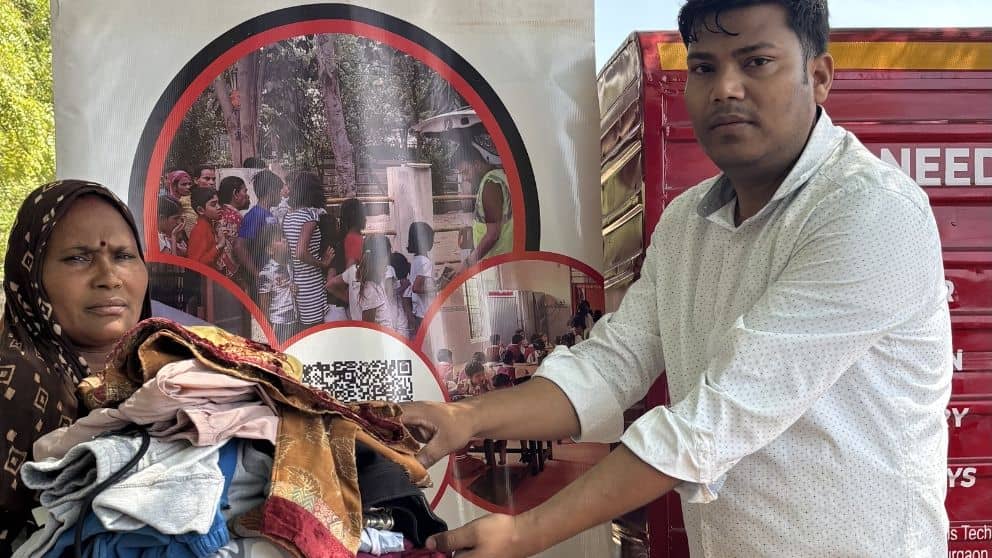
Many communities are used to temporary help. A drive takes place. Supplies are distributed. There is activity for a few hours. Then things return to normal.
Many communities are used to temporary help.
A drive takes place. Supplies are distributed. There is activity for a few hours. Then things return to normal.
Over time, people stop expecting consistency. They adapt to handling their problems quietly, without relying on outside support. Even when help comes, they remain cautious about opening up.
Snehdhara focuses on staying present.
The same communities are visited regularly. Volunteers don’t just come once; they return. They meet the same people, listen to the same concerns, and slowly understand deeper patterns.
There is no pressure to create instant change. The approach is patient. Observing, listening, and building familiarity over time.
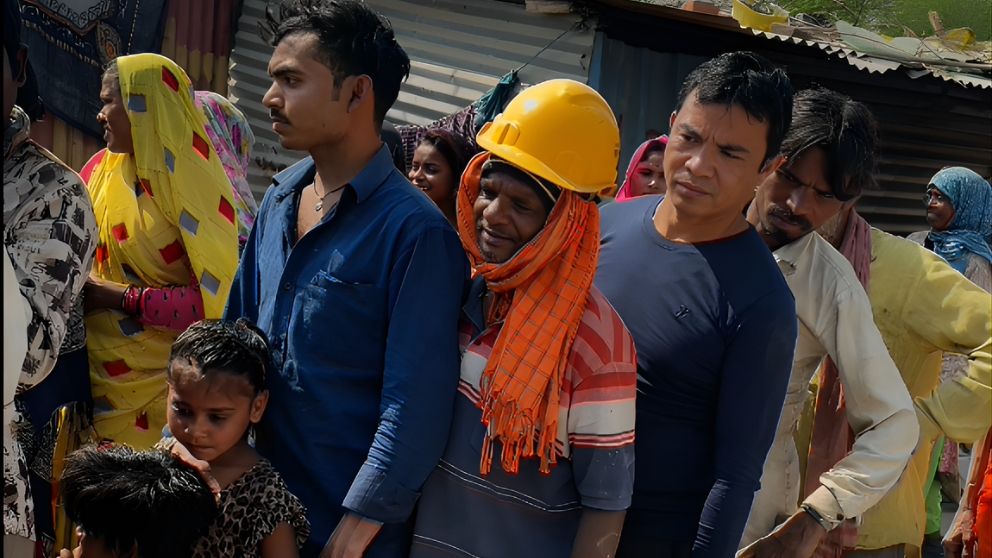 The shift is gradual, but noticeable.
At first, conversations are short and guarded. Then they become longer. Over time, they become honest - children begin to engage more naturally. Elderly individuals start sharing concerns they would otherwise ignore. Families move from general statements to specific needs.
This kind of openness cannot be created in a day. It comes from repeated interaction.
The real impact of showing up is not immediate. It is built layer by layer, through consistency. And once that trust exists, support becomes more meaningful, more accurate, and far more effective.
A Bundle of Hope

The Myths of NGO Work: What People Get Wrong About Ground-Level Change
This New Year Make Resolutions That Matter
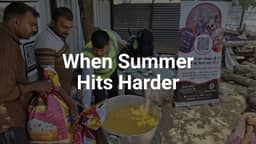
When Summer Hits Harder: The Heat You Don’t See

Loneliness Is a Health Crisis
A Bundle of Hope
The Myths of NGO Work: What People Get Wrong About Ground-Level Change
This New Year Make Resolutions That Matter
When Summer Hits Harder: The Heat You Don’t See
Loneliness Is a Health Crisis