
In This Article
For many of us, winter means blankets, warm food, and closed windows. For vulnerable communities, winter means higher expenses and lower income - at the same time.
Cold is not just uncomfortable. It is expensive.
When Cold Reduces Income
Daily wage workers, street vendors, and industrial labourers often earn less during winter. Fewer work hours. More sick days. No paid leave.
According to labour estimates, nearly 90% of India’s workforce is informal, meaning illness directly affects income. One missed day can mean one missed meal.
The Rising Cost of Survival
Winter increases:
- medical expenses
- fuel needs
- food requirements
But income does not rise to match it.
For families already living hand-to-mouth, this imbalance pushes them into deeper instability.
What Support Looks Like in Winter

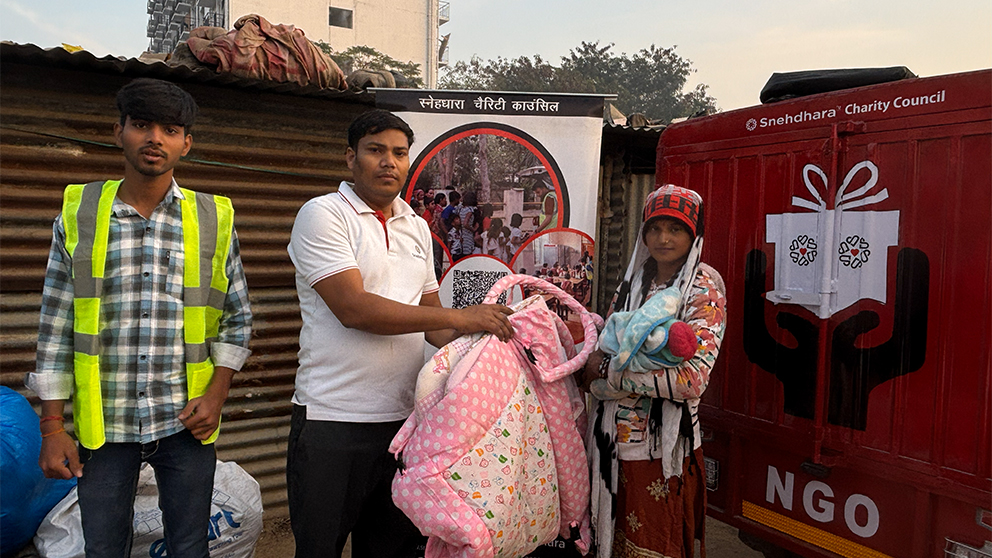
At Snehdhara, winter work focuses on practical relief:
- warm meals in industrial areas
- clothing distribution to reduce exposure
- hygiene support to prevent illness
These are not seasonal gestures. They are survival support.
Why Timely Help Matters
- A blanket given before illness prevents medical costs later.
- A meal served during a long shift preserves strength.
- A clean cloth reduces infection risk.
Small interventions at the right time reduce bigger problems later.
Beyond Sympathy
Winter charity often peaks briefly and disappears. But cold doesn’t follow calendars.
Snehdhara stays present through the harsh weeks - because support delayed is support denied.
Winter reminds us that dignity isn’t about comfort. It’s about protection.