
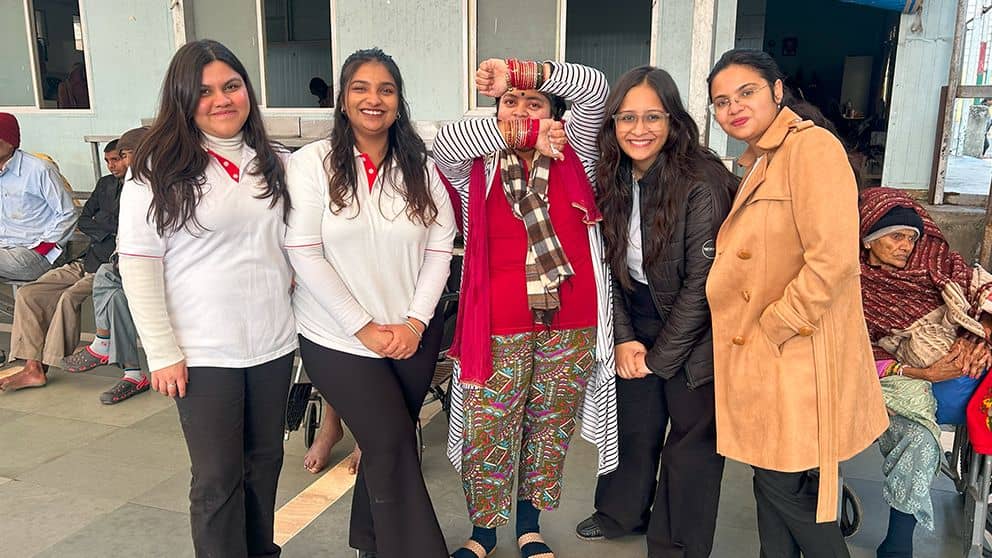
Distributions are often seen as transactions: you bring the item, hand it over, and move on.
Distributions are often seen as transactions: you bring the item, hand it over, and move on. But at Snehdhara, we’ve learned that what matters most isn’t what you give—it’s how you give it.
In every sanitary pad, ration kit, or baby bundle handed over, there’s a story waiting to be heard. And we make space for it.
Our volunteers don’t just show up with cartons—they sit down. They ask, “How are you doing?” “How’s the baby?” “Did your daughter start school?” And suddenly, the distribution isn’t about things anymore. It’s about trust.
One mother told us she used to tear old cloth during her period because she couldn’t afford pads. Another woman laughed as she held a donated saree, saying it reminded her of her wedding day. These are moments of connection that no ledger can record.
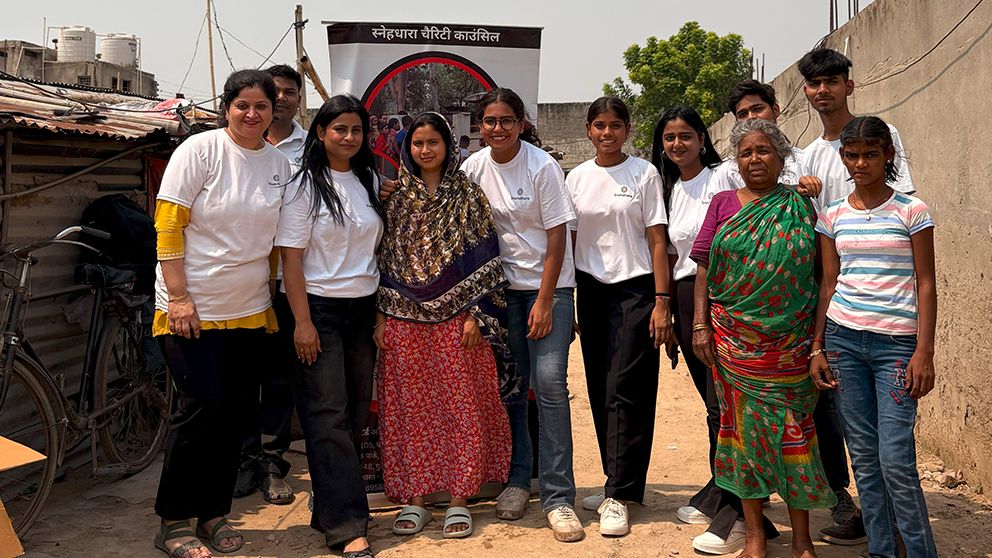 These conversations are how we learn what people really need. What’s working. What’s not. And they help us improve, adapt, and grow.
Most importantly, listening sends a message: You matter. You’re not just a number on our list. We see you.
At Snehdhara, distribution is never the end—it’s just the beginning of a relationship. A relationship built on kindness, consistency, and the radical act of paying attention.
Because when we listen, we don’t just deliver help—we deliver humanity.

The Myths of NGO Work: What People Get Wrong About Ground-Level Change
This New Year Make Resolutions That Matter
When Summer Hits Harder: The Heat You Don’t See

Loneliness Is a Health Crisis
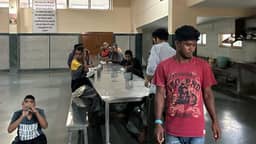
Anandashram: Spreading Hope and Dignity
The Myths of NGO Work: What People Get Wrong About Ground-Level Change
This New Year Make Resolutions That Matter
When Summer Hits Harder: The Heat You Don’t See
Loneliness Is a Health Crisis
Anandashram: Spreading Hope and Dignity