
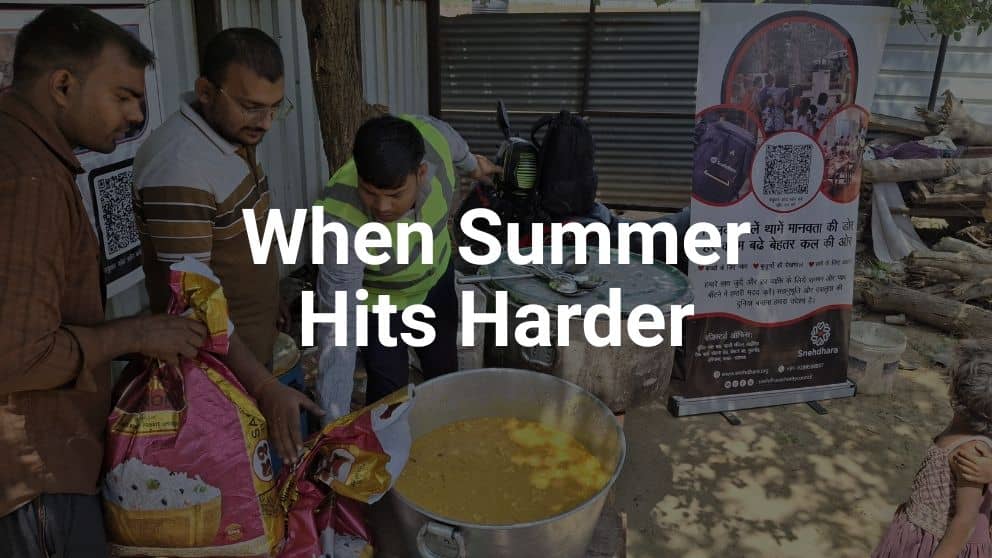
Every May, millions of Indians brace for rising temperatures. Air conditioners get switched on, cold drinks are stocked up, and afternoons are spent indoors. But for a large section of the population including daily wage workers, families in crowded bastis, children and the elderly with no shelter from the sun, summer is not an inconvenience, rather it is a daily battle for survival.
For those with access to air conditioning, summer is a season to manage. But for millions living in bastis and jhuggis across Indian cities, summer is all about survival. Heat is not just uncomfortable, it is inescapable. Tin roofs and cramped spaces trap the warmth. By afternoon, even the act of sitting-still feels exhausting. Water is scarce, power cuts get frequent, and there is no real escape, only endurance.
When your income depends on showing up, heat is not a reason to stay home. Across construction sites, factory floors, and roadside stalls, work continues through extreme temperatures because missing a day is not a break but it is a financial loss the family cannot afford. People push through fatigue, ignore early warning signs of heat stress, and keep going because stopping is simply not a choice.
Heat does not affect everyone equally. When the body is already weakened by poor nutrition and irregular meals, extreme temperatures hit harder and recovery takes longer. Children lose energy faster. Elderly individuals are more susceptible to heat-related illness. Even routine tasks such as cooking, carrying water, commuting, begin to feel like a physical burden when the environment is relentlessly hot.
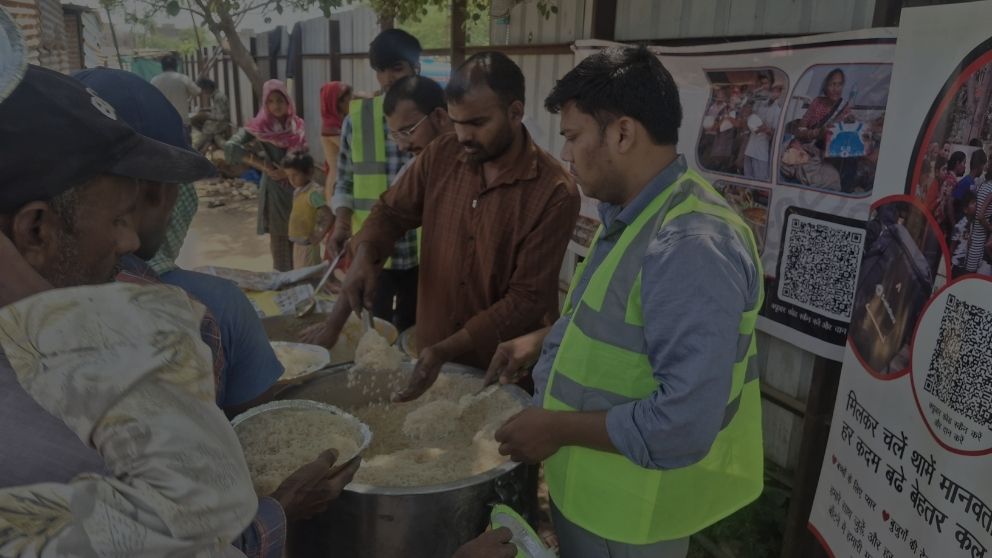
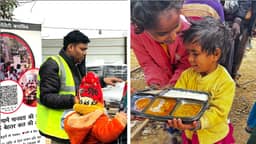
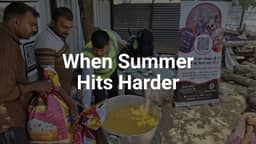
During the summer months, when the physical and emotional toll is highest, Snehdhara focuses on reducing the strain on vulnerable families through regular meal distribution. We ensure at least one nutritious meal is guaranteed to everyone, with full stomachs the body copes better with heat, energy levels are more stable, and people are less likely to push themselves to dangerous limits. The support may seem straightforward, but its impact on how families get through the day is real and measurable.
The change that Snehdhara's work creates is not visible on a large scale. There are no dramatic announcements or sweeping transformations. What it looks like, practically, is this: a worker who comes home from a long day in the sun and still has a meal waiting. A family that does not have to choose between eating and paying rent during the hardest weeks of the year. A child who is slightly more alert in the morning because they did not go to bed hungry.
The heat does not go away. But with consistent support, it stops taking everything out of a person.
A Bundle of Hope
The Myths of NGO Work: What People Get Wrong About Ground-Level Change
This New Year Make Resolutions That Matter
When Summer Hits Harder: The Heat You Don’t See
Loneliness Is a Health Crisis
A Bundle of Hope
The Myths of NGO Work: What People Get Wrong About Ground-Level Change
This New Year Make Resolutions That Matter
When Summer Hits Harder: The Heat You Don’t See
Loneliness Is a Health Crisis