
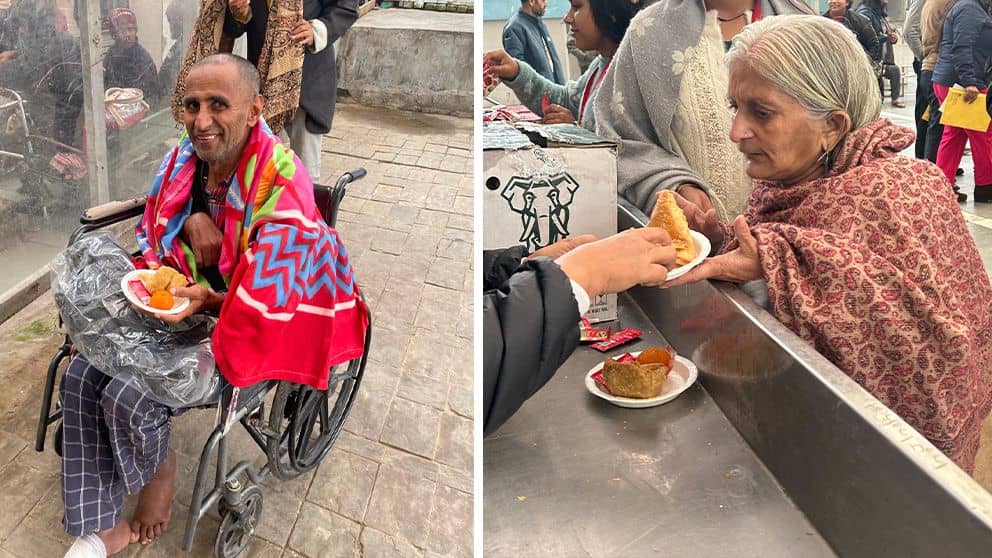
Every year, festivals and special occasions bring a wave of generosity. People donate food, clothes and money because “it’s the season to give.” While this tradition is beautiful, real change happens when helping others becomes a part of everyday life, not just a yearly ritual. The truth is: giving back doesn’t always require grand gestures. Even small, consistent efforts can create impact that lasts long after the festivals are over.
During holidays, people feel more grateful and connected, which naturally encourages them to give. But communities in need don’t struggle only during Diwali, Christmas or New Year. Their challenges-hunger, lack of education, poor health-continue throughout the year.
When we support them consistently, even in small ways, it creates stability, not just temporary relief.
You don’t have to wait for a big drive or a major donation campaign. Here are simple steps anyone can take:
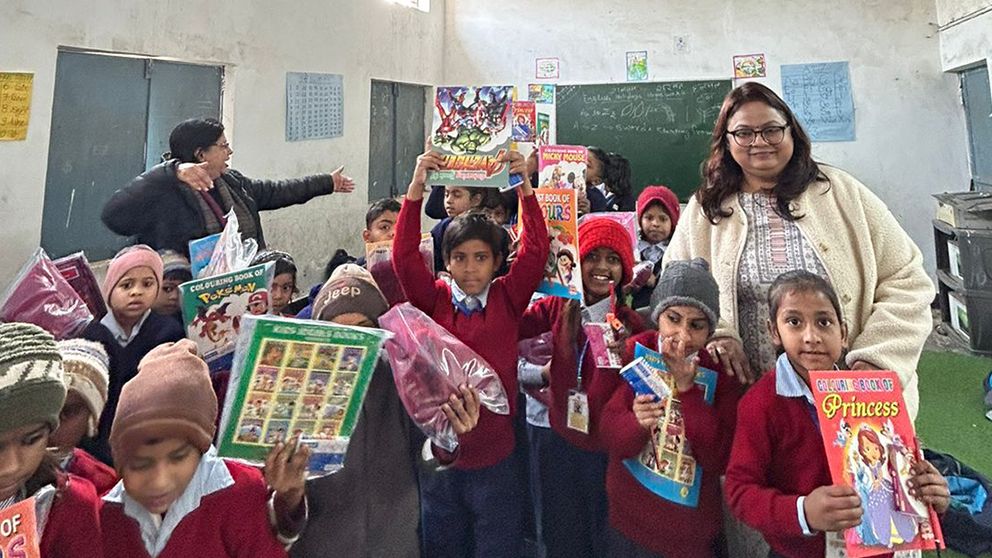
Giving can be woven into daily behaviour:
When more people start giving regularly, communities grow stronger. Children stay in school. Families get support they can rely on. Elderly people feel cared for. People facing hardships feel seen.
Holiday giving creates a spark. Consistent giving keeps the flame alive.
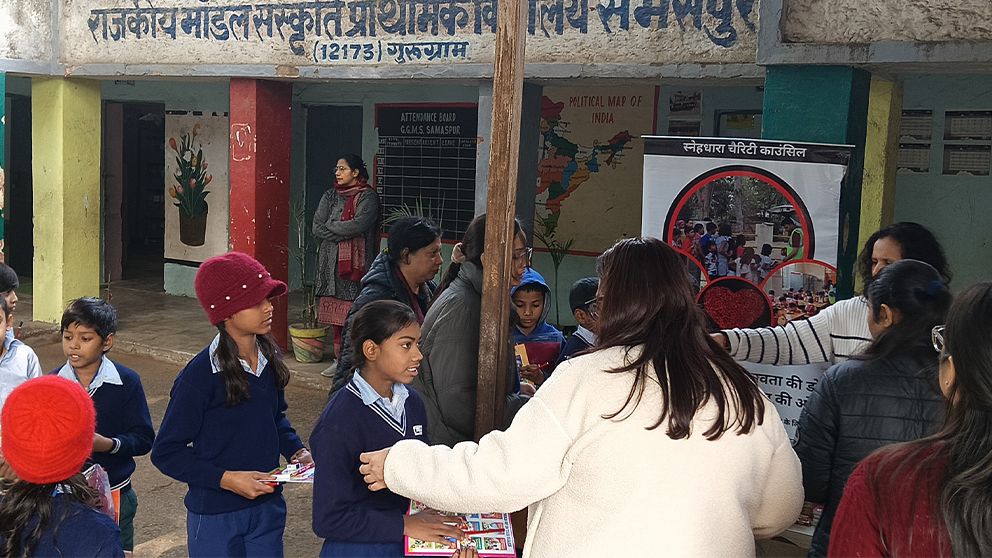
If you’ve ever wanted to help but didn’t know how to start, begin with one small action today. Habits are built slowly, but the impact lasts long.
Snehdhara encourages you to take one step-any step-and make compassion a part of your everyday life.

The Myths of NGO Work: What People Get Wrong About Ground-Level Change
This New Year Make Resolutions That Matter
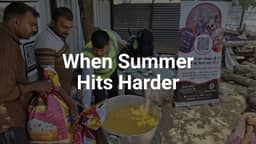
When Summer Hits Harder: The Heat You Don’t See

Loneliness Is a Health Crisis

Anandashram: Spreading Hope and Dignity
The Myths of NGO Work: What People Get Wrong About Ground-Level Change
This New Year Make Resolutions That Matter
When Summer Hits Harder: The Heat You Don’t See
Loneliness Is a Health Crisis
Anandashram: Spreading Hope and Dignity