
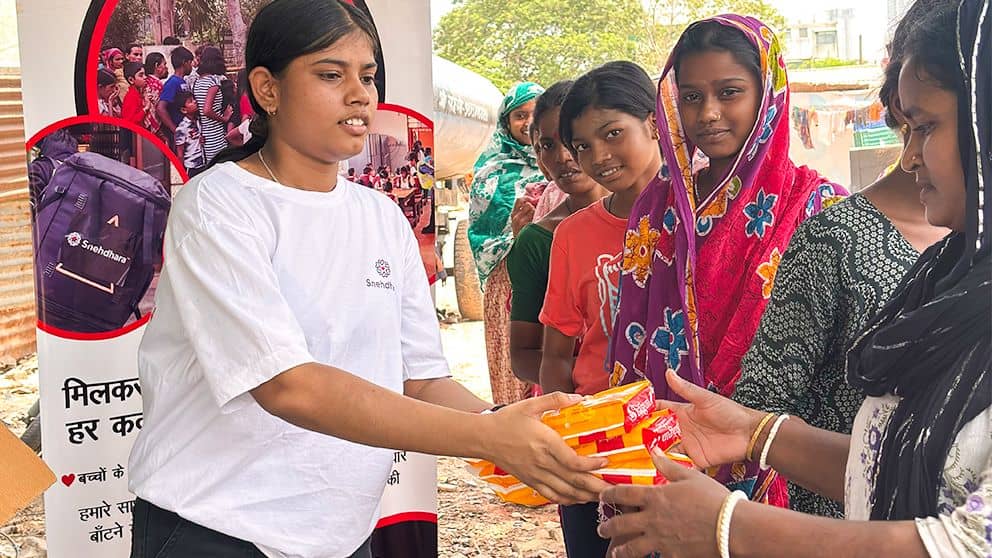
In many under-resourced communities, periods are wrapped in silence. Girls miss school. Women feel shame
In many under-resourced communities, periods are wrapped in silence. Girls miss school. Women feel shame. Misconceptions like “you shouldn’t enter the kitchen” or “don’t wash your hair” aren’t just harmless—they limit lives.
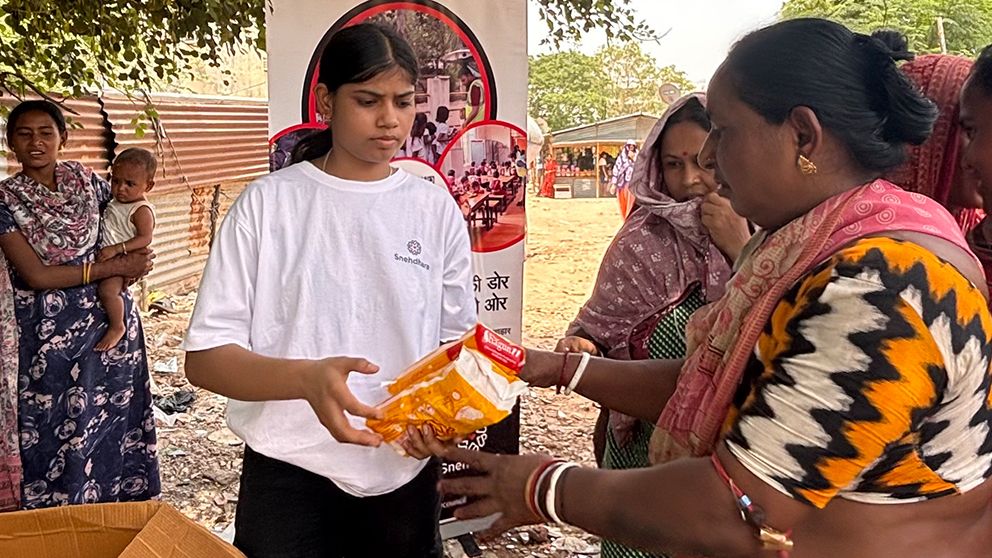 During our sanitary pad distribution drives in the slums of Gurgaon, we found more than a lack of resources—we found a lack of awareness. Many girls were learning about menstruation for the first time through lowered voices and some not at all.
So we shifted focus: before giving pads, we offered something more valuable— open conversation.
While we distribute the pads, we talk to the women, not to lecture, but to have real conversations. We ask them what they know, what they’ve been told, and what they believe. Through these talks, we create a safe, shame-free space and offer factual menstrual hygiene education. Slowly, questions begin to flow: “Can I go to school on my period?” “Is it true I shouldn’t pray?”
That’s when we know change is beginning.
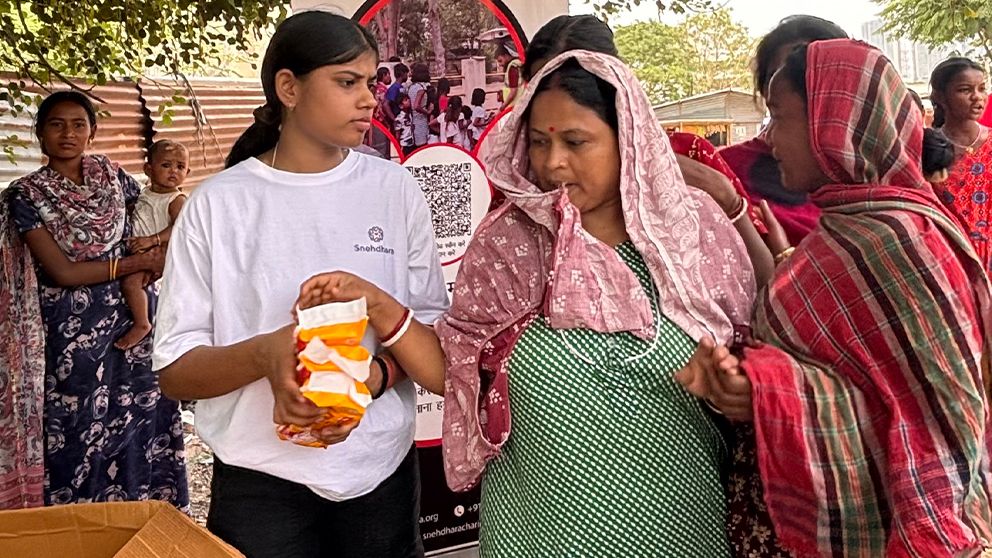 Menstrual health is not just a women’s issue—it’s a human one. And with every drive, we empower girls and women with knowledge, and we move one step closer to breaking the silence.
Unlearning doesn't happen overnight, but every time a small girl asks a question or an older woman nods in agreement. That’s the real power of grassroots work—not just giving out pads, but building menstrual dignity from the ground up and #breakingthetaboo.
A Bundle of Hope
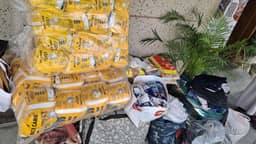
The Myths of NGO Work: What People Get Wrong About Ground-Level Change
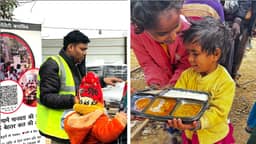
This New Year Make Resolutions That Matter
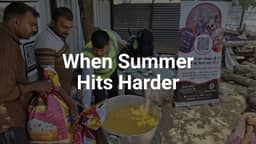
When Summer Hits Harder: The Heat You Don’t See
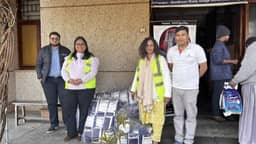
Loneliness Is a Health Crisis
A Bundle of Hope
The Myths of NGO Work: What People Get Wrong About Ground-Level Change
This New Year Make Resolutions That Matter
When Summer Hits Harder: The Heat You Don’t See
Loneliness Is a Health Crisis