
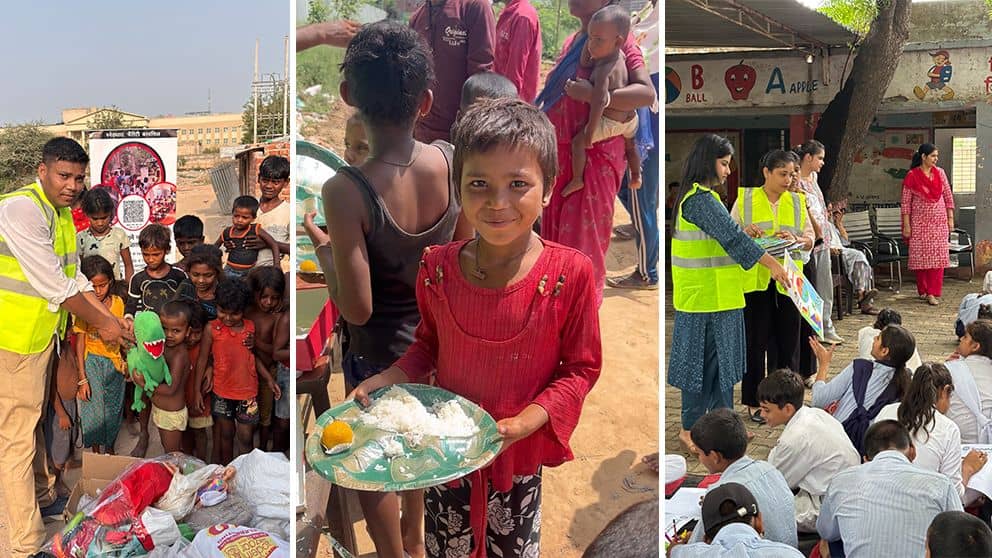
When we talk about development, the word "access" gets thrown around a lot — access to healthcare, education, food, or opportunity.
When we talk about development, the word "access" gets thrown around a lot — access to healthcare, education, food, or opportunity. But in rural India, access isn’t just about whether something exists. It’s about whether people can truly reach it, afford it, use it, and feel safe doing so.
Access is not just physical — it’s emotional, financial, and social. And that’s often where the real challenges lie.
In many rural and underprivileged areas, schools and clinics do exist — but:
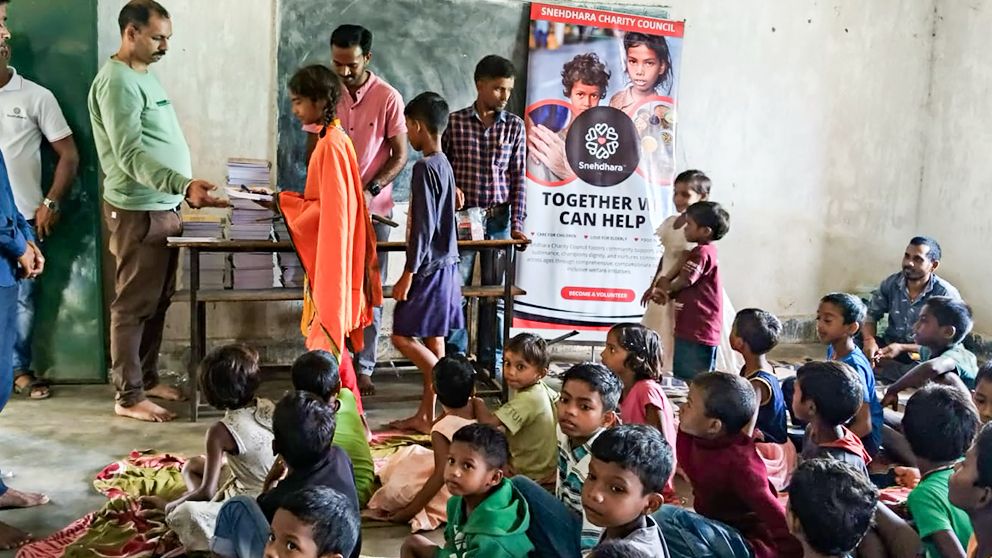 At Snehdhara Charity Council, we don’t build large infrastructures, but we make existing systems more reachable. Our small actions are designed to make big ripples in people’s lives:
Through our work, we’ve learned that true access feels like this:
Success shouldn’t be measured just by how many services are provided, but by how many people can actually use them.
So the question isn’t
Is it available??
It's
Can they reach it? Does it help?
At Snehdhara, our approach is simple: make life easier to navigate — one book, one pad, one meal at a time. These aren’t grand gestures. They’re quiet steps towards dignity and inclusion.
Because access doesn’t have to be perfect to be powerful. It just has to be thoughtful — and within reach.
The Myths of NGO Work: What People Get Wrong About Ground-Level Change
This New Year Make Resolutions That Matter
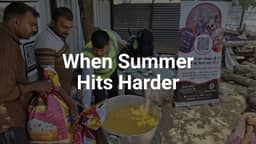
When Summer Hits Harder: The Heat You Don’t See
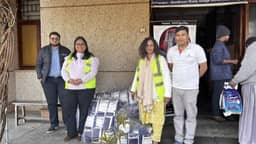
Loneliness Is a Health Crisis
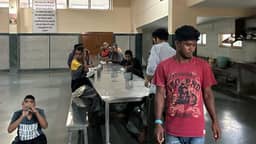
Anandashram: Spreading Hope and Dignity
The Myths of NGO Work: What People Get Wrong About Ground-Level Change
This New Year Make Resolutions That Matter
When Summer Hits Harder: The Heat You Don’t See
Loneliness Is a Health Crisis
Anandashram: Spreading Hope and Dignity