
In This Article
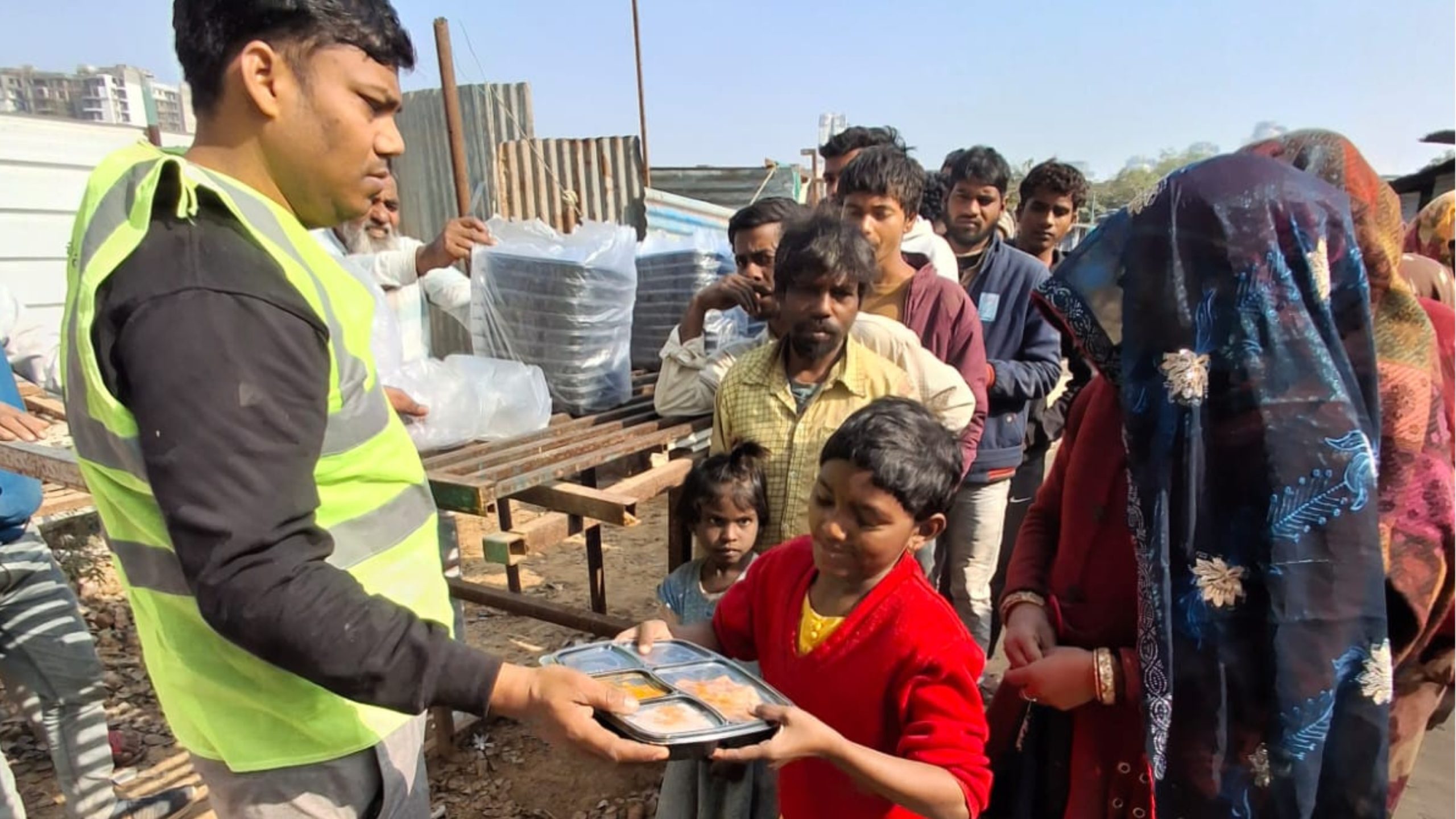
Introduction: Hunger Is a Daily Reality
In NCR, glass buildings and corporate hubs exist alongside hunger. Here we examine why fixed meal programs matter - and why sporadic aid is not enough.
The Scale of Hunger in Urban NCR
Despite economic growth, urban poverty affects nearly 65 million Indians (NITI Aayog). Migrant workers, daily wage earners, and homeless populations are the most vulnerable.
Why One-Time Drives Aren’t Enough
Hunger doesn’t follow a calendar. Without predictable access to food:
- Children struggle to learn
- Adults lose earning capacity
- Health deteriorates rapidly
Fixed meal programs provide consistency, not charity.
How Fixed Meal Programs Work
Unlike festival-based drives, fixed programs ensure:
- Meals at set locations
- Predictable schedules
- Trust between communities and providers
Snehdhara’s food initiatives focus on routine access, especially in NCR pockets where public support is limited.
The Hidden Impact of Regular Meals
Consistent nutrition leads to:
- Better physical health
- Reduced stress and anxiety
- Stronger community ties
Research shows that food security improves workforce participation by up to 20% in urban low-income groups.
What Sustainable Hunger Relief Requires
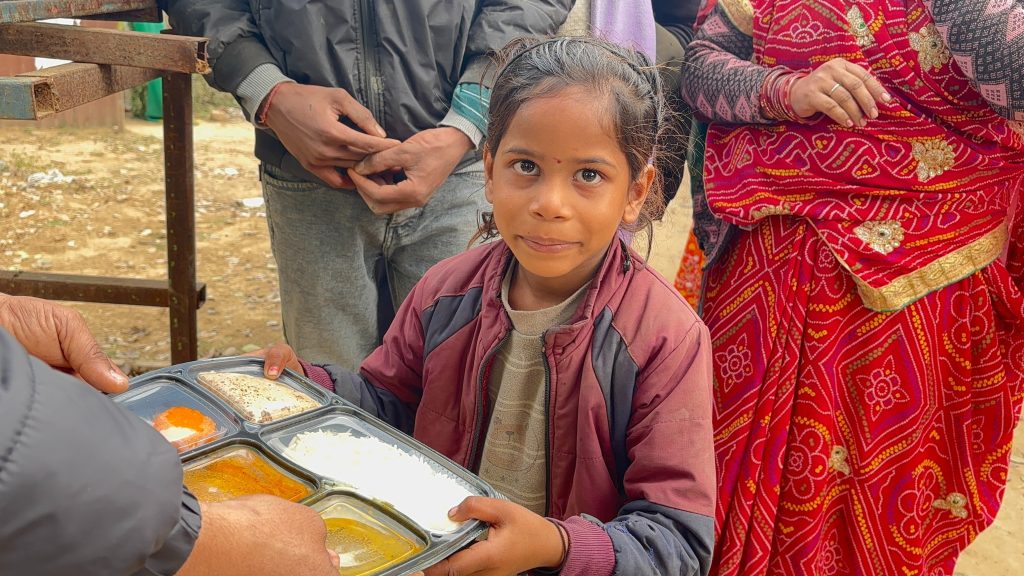
Effective programs must be:
- Localised
- Volunteer-supported
- Logistically simple
Conclusion: Hunger Needs Daily Solutions
Ending hunger isn’t about charity days. It’s about showing up - every single day.