
In This Article
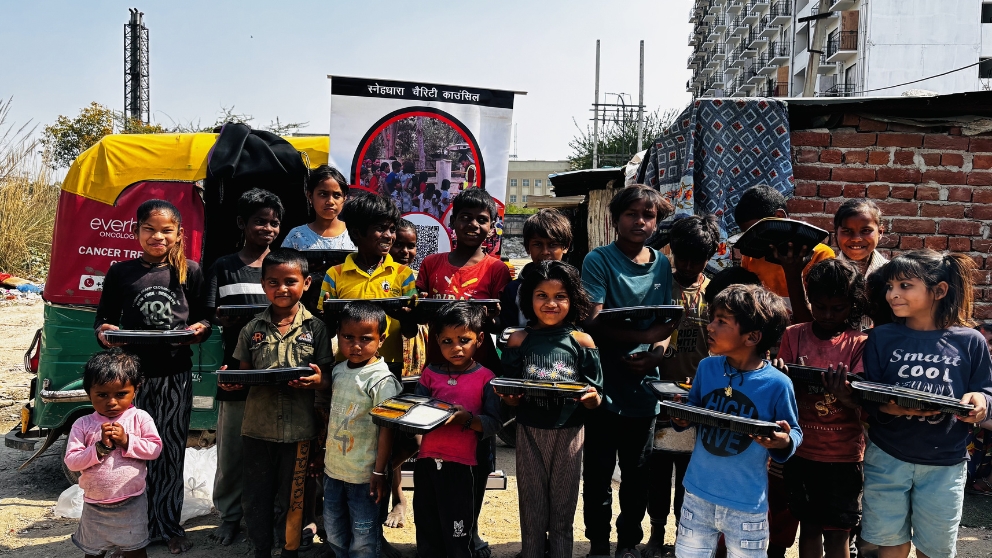
Hunger in Plain Sight
Hunger in cities is often invisible. It doesn’t always look extreme. It shows up in small adjustments people make every day.
A meal skipped to make food last longer.
A smaller portion so others can eat.
A child going to school without breakfast.
We have seen in NCR, many families deal with unstable income. When money runs low, food becomes the first thing to adjust.
How the Approach Shifts
Snehdhara addresses this through fixed meal programs.
Instead of one-time distributions, meals are provided regularly at known times and locations. This consistency removes uncertainty. People know where they can go and when they can rely on a meal.
The goal is not just to provide food, but to make access dependable.
What That Reliability Changes
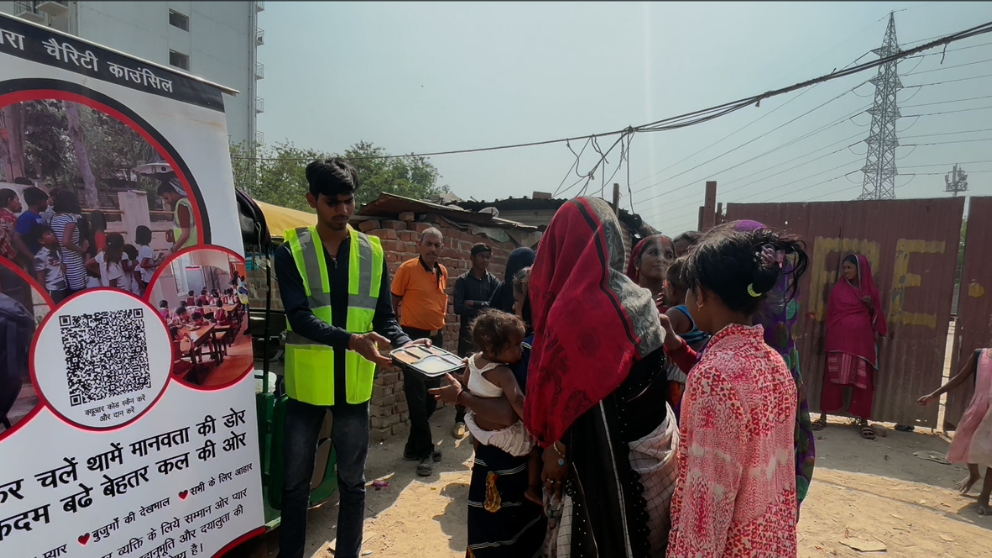
When one meal becomes certain, the impact spreads quietly.
People stop planning their day around scarcity. They don’t have to constantly calculate how to stretch food. Energy levels improve. Children are able to focus better in school. Workers can get through long hours without feeling drained.
It also reduces stress. When a basic need is taken care of, families can think more clearly about everything else.
This change is not dramatic, but it is steady.
A reliable meal does not solve every problem. But it removes one constant worry. And that small sense of certainty can make an entire day feel more manageable.