
In This Article
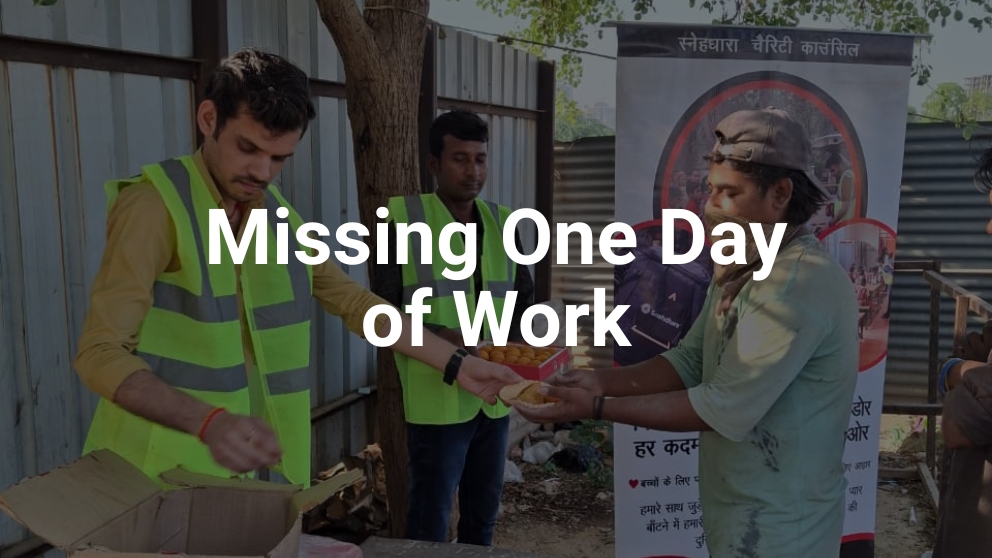
For most working professionals, taking a sick day means a phone call to the manager and a day of rest at home. The salary still arrives at the end of the month. The bills still get paid.
For the millions of daily wage workers who form the backbone of India's informal economy, there is no such cushion. Missing one day of work does not mean one less day at the office. It means one less day of income and for many families, that single missed day is enough to tip the balance between getting by and going hungry.
All it takes is a Single Missed Day
India's informal economy employs over 90% of its workforce. Construction labourers, domestic workers, street vendors, rickshaw pullers these workers earn only when they show up. There are no paid leaves, no employee benefits, and no guaranteed salary at the end of the month.
WHEN WORK STOPS, INCOME STOPS.
For a family surviving on a daily income of ₹300–₹500, even a single missed day creates an immediate shortfall. There are no savings to fall back on, no credit card to swipe, and no family buffer to absorb the shock. Everything depends on showing up — every single day, regardless of weather, health, or personal circumstance.
How Fast Things Shift
The impact of one missed day is rarely limited to that one day. Food is the first thing to get adjusted. Portions become smaller. A two-meal household drops to one. Children go to school without eating. Other expenses such as school fees, medicine, and rent gets delayed or skipped entirely.
What starts as a one-day setback can spiral quickly. A family that skips meals once is more likely to face a health issue that causes another missed day of work. The cycle feeds itself, and recovery becomes harder with every round.
Why This Cycle Continues
The poverty cycle that traps daily wage workers in India is not a result of laziness or poor planning. It is a structural problem rooted in the complete absence of a financial safety net.
There are no employer-backed insurance schemes for most informal workers. Government welfare programs, while expanding, remain difficult to access for migrant labourers and temporary workers. Even a small emergency such as a fever, a flooded street, or a family crisis can trigger a chain of consequences that takes weeks to recover from.
Without any buffer between income and survival, even the smallest disruption becomes a potential crisis. This is the reality of living and working in the informal economy in India.
Where Support Makes a Difference
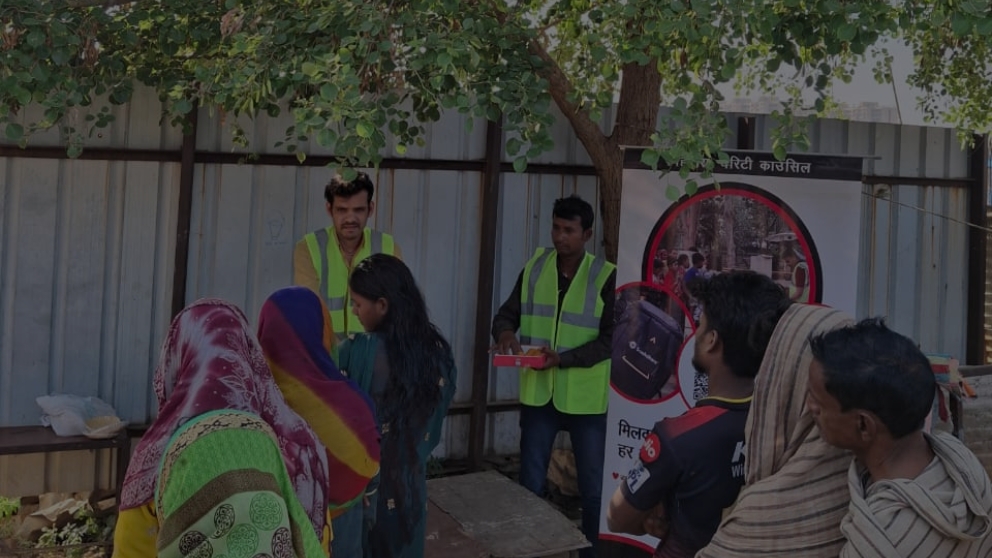
This is exactly where consistent, community-level food support plays a critical role.
Snehdhara's fixed meal programs provide daily wage worker families with reliable access to at least one nutritious meal per day. It is not charity in the traditional sense — it is a practical buffer that absorbs the immediate shock of a missed workday.
When a family knows that food is not a variable they need to manage today, the pressure eases. A sick worker can rest without panic. A mother can focus on her child's health rather than rationing what little food is left. The income loss is still real, but it does not immediately translate into hunger.
What That Means in Real Terms
A bad day does not automatically become a crisis. Food does not disappear from the household entirely. Families are better equipped to manage short-term setbacks without collapsing under the weight of them.
It is not a solution to poverty. But it is something just as important as breathing space.
And for daily wage workers navigating India's informal economy with no margin for error, breathing space is sometimes all it takes to keep going.
Support Snehdhara's meal programs and help daily wage families in India stay on their feet one meal at a time.